The Glycine Guide : The Smallest Amino Acid with the Biggest Hidden Power
- 16 July 2026
- Marc Myburgh
When we talk about life-changing nutrients, we usually focus on complex molecules, rare botanicals, or flashy new supplements. But sometimes, the most profound health benefits come from the simplest building blocks.
Glycine is the smallest and simplest of all 20 amino acids. Because our bodies can make it, it has historically been labeled "non-essential." However, emerging science suggests that our natural production falls short of what we need for optimal health.
What is Glycine?
Chemically, glycine is as basic as it gets. Its "side chain" is just a single hydrogen atom, making it incredibly tiny.
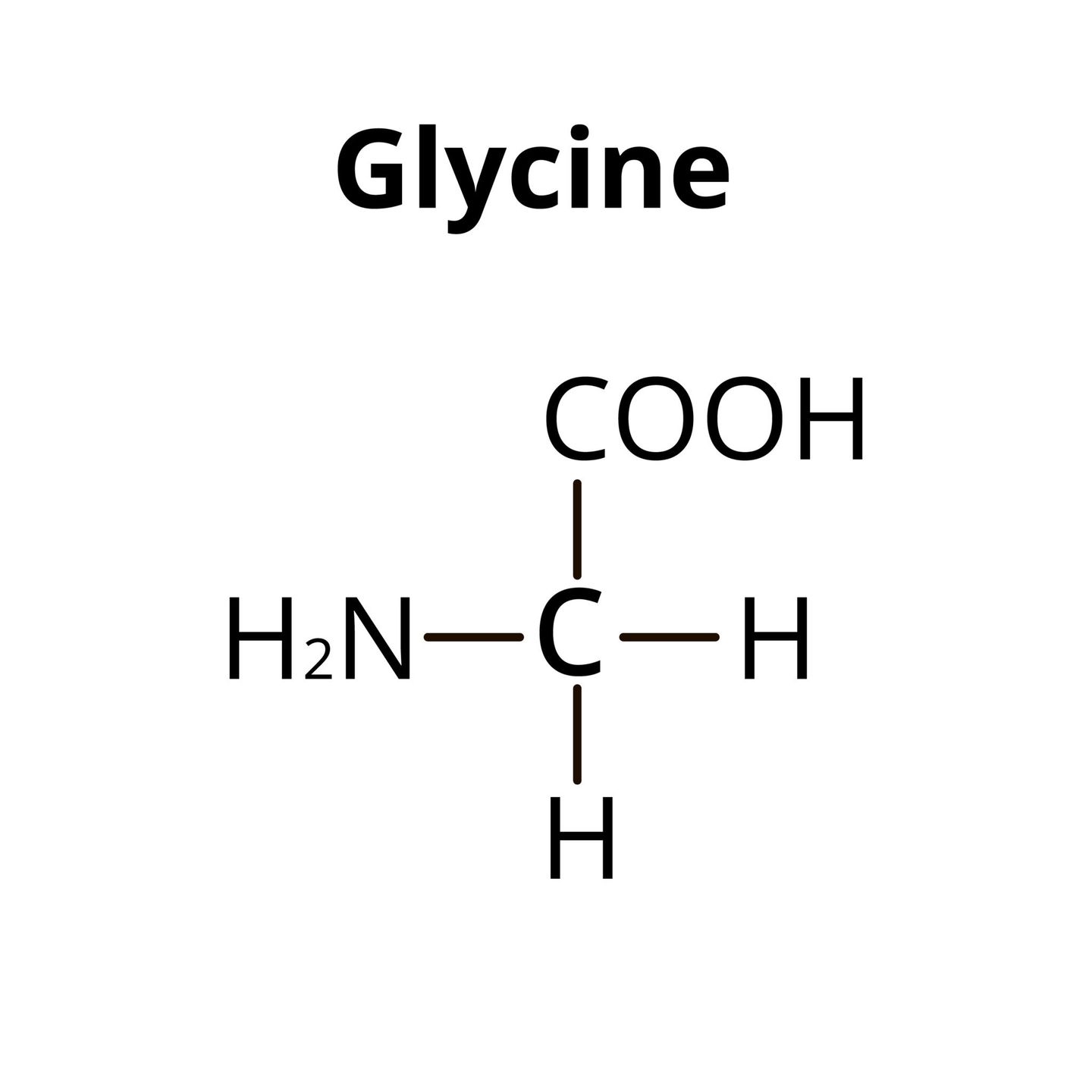
Glycine's ultra-simple chemical structure. Source: TimoninaIryna / Getty Images
Despite its small physical footprint, this lack of clutter allows it to squeeze into tight spaces within proteins, acting as the fundamental structural link in collagen. Beyond structure, it serves as a powerful neurotransmitter, an antioxidant precursor, and a metabolic regulator.
The Big Benefits of Glycine
Because glycine is used throughout the body, its benefits span multiple systems:
1. Deep, Restorative Sleep
If you struggle to fall asleep or wake up feeling groggy, glycine might be your new favorite nightcap.
-
How it works: Clinical research shows that taking 3g of glycine before bed improves sleep quality and reduces daytime fatigue.
-
The mechanism: It acts as an inhibitory neurotransmitter in the brain (similar to GABA), calming the central nervous system. Additionally, it increases blood flow to your extremities, which lowers your core body temperature—a key biological trigger that signals your brain it's time to sleep.
2. The Foundation of Youthful Collagen
Collagen makes up roughly 30% of the protein in your body, providing structure to your skin, joints, bones, and blood vessels. Every third amino acid in the collagen triple-helix structure is glycine. Without adequate glycine, your body cannot effectively synthesise or repair collagen, leading to premature joint wear and skin aging.
3. Boosting Your Ultimate Antioxidant: Glutathione
Glutathione is your body's master antioxidant, responsible for neutralising free radicals and detoxifying the liver. To make glutathione, your body needs three amino acids: glutamine, cysteine, and glycine. In many individuals, particularly as they age, glycine availability is the "bottleneck" (limiting factor) that prevents optimal glutathione production.
The Frontiers of Glycine Research: Longevity & Cellular Science
While glycine was once ignored as a simple metabolic byproduct, major scientific institutions have recently uncovered its profound impact on lifespan and daily performance.
1. The NIA Interventions Testing Program (ITP): Extending Lifespan
Some of the most exciting data on glycine comes from the National Institute on Aging (NIA) Interventions Testing Program, which evaluates compounds for their ability to extend lifespan in mice.
-
The Discovery: Researchers found that adding glycine to the diet extended the median lifespan of both male and female mice by approximately 4% to 6%.
-
Why it matters: Glycine mimics some of the cellular benefits of methionine restriction (a known longevity driver found in calorie-restricted diets). It helps the liver break down excess methionine from heavy meat consumption, reducing systemic molecular stress.
2. Clinical Sleep Trials (Inagawa et al.)
Human clinical trials have firmly established glycine's role as a safe, non-prescriptive sleep aid.
-
The Study: In a landmark study published by Japanese researchers, participants experiencing chronic poor sleep were given 3g of glycine before bedtime.
-
The Results: Polysomnography (brain wave monitoring) showed that glycine fast-tracked participants into non-REM deep sleep much quicker than the placebo. Furthermore, subjects reported significantly less daytime grogginess, improved cognitive performance, and clearer memory tracking the following morning.
3. The Glycine-Cysteine (GlyNAC) Breakthrough
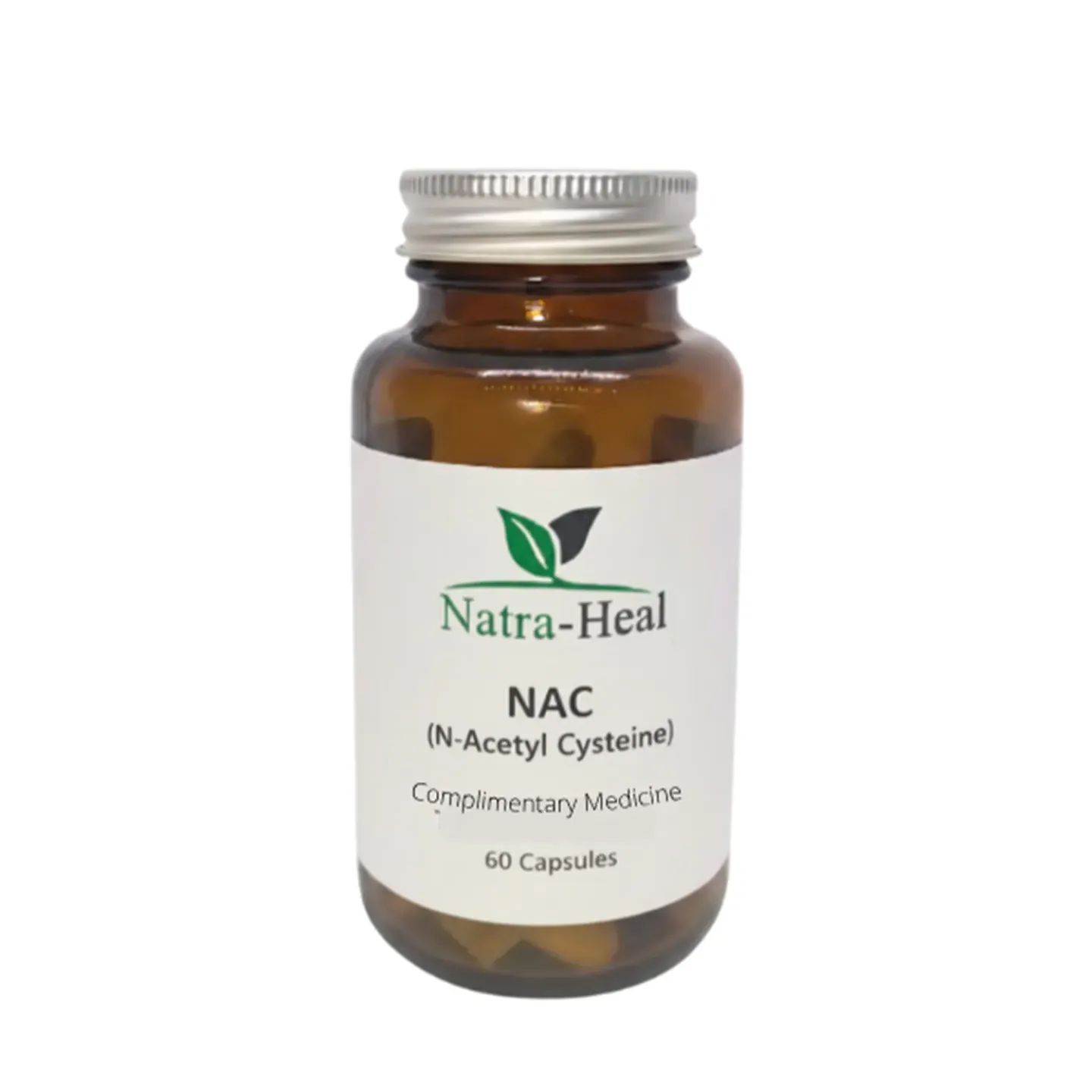
Clinical trials at the Baylor College of Medicine have explored combining glycine with N-acetylcysteine (NAC), a therapeutic stack known as GlyNAC.
-
The Findings: As humans age, cellular energy factories (mitochondria) decline due to oxidative damage.
-
The Outcome: Supplementing older adults with GlyNAC corrected glycine and glutathione deficiencies, successfully lowering cellular inflammation, improving muscle strength, and reversing key hallmarks of mitochondrial aging.
How to Get More Glycine
While your body can synthesise small amounts, research suggests we face a natural "glycine deficit" of about 10 grams per day compared to what our bodies actually require for optimal collagen turnover and antioxidant defense.
You can easily bridge this gap using two approaches:
-
Dietary Sources: Because glycine is highly concentrated in connective tissue, the best dietary sources are bone broth, collagen peptides, gelatin, and tougher cuts of meat cooked on the bone (like oxtail or slow-cooked chuck roast).
-
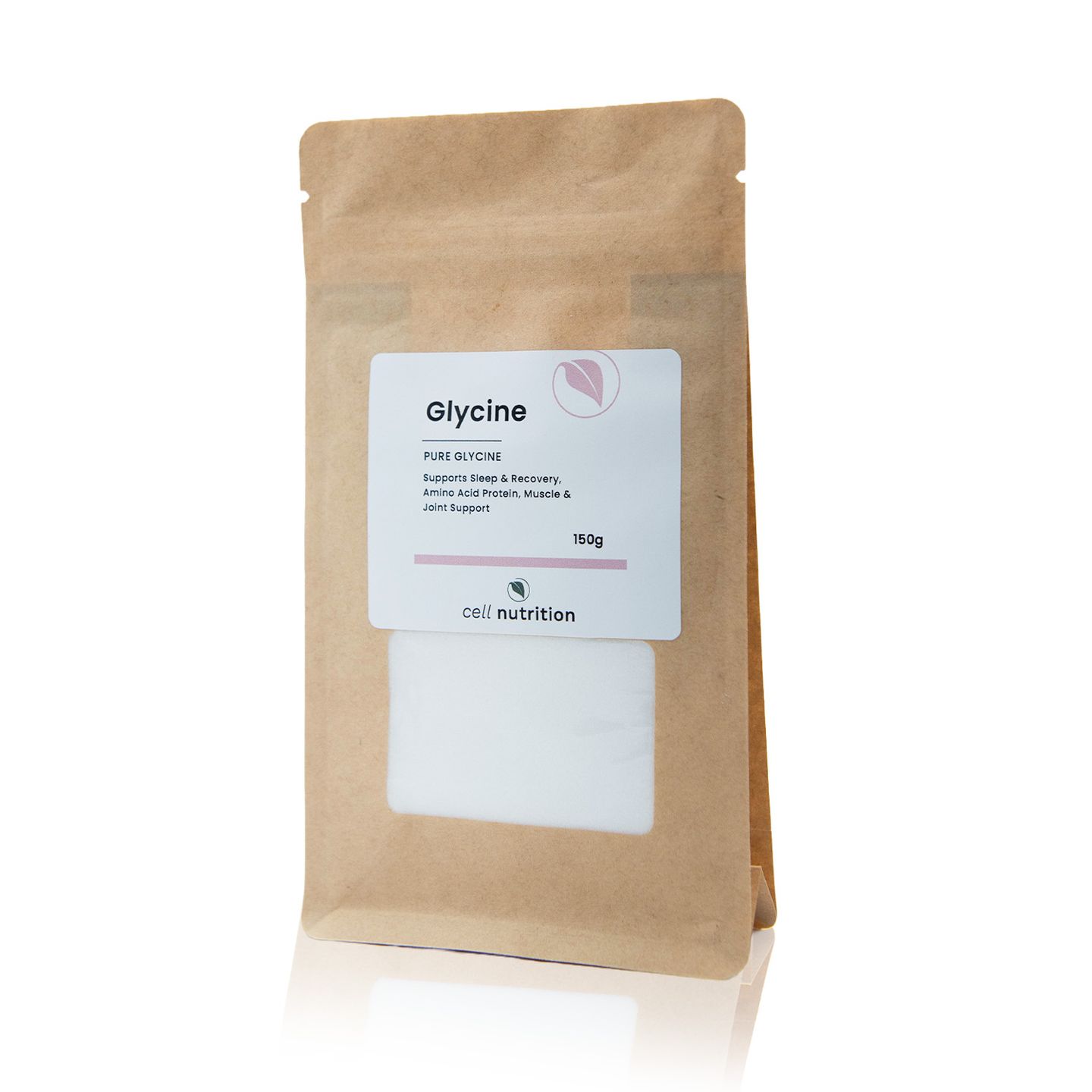
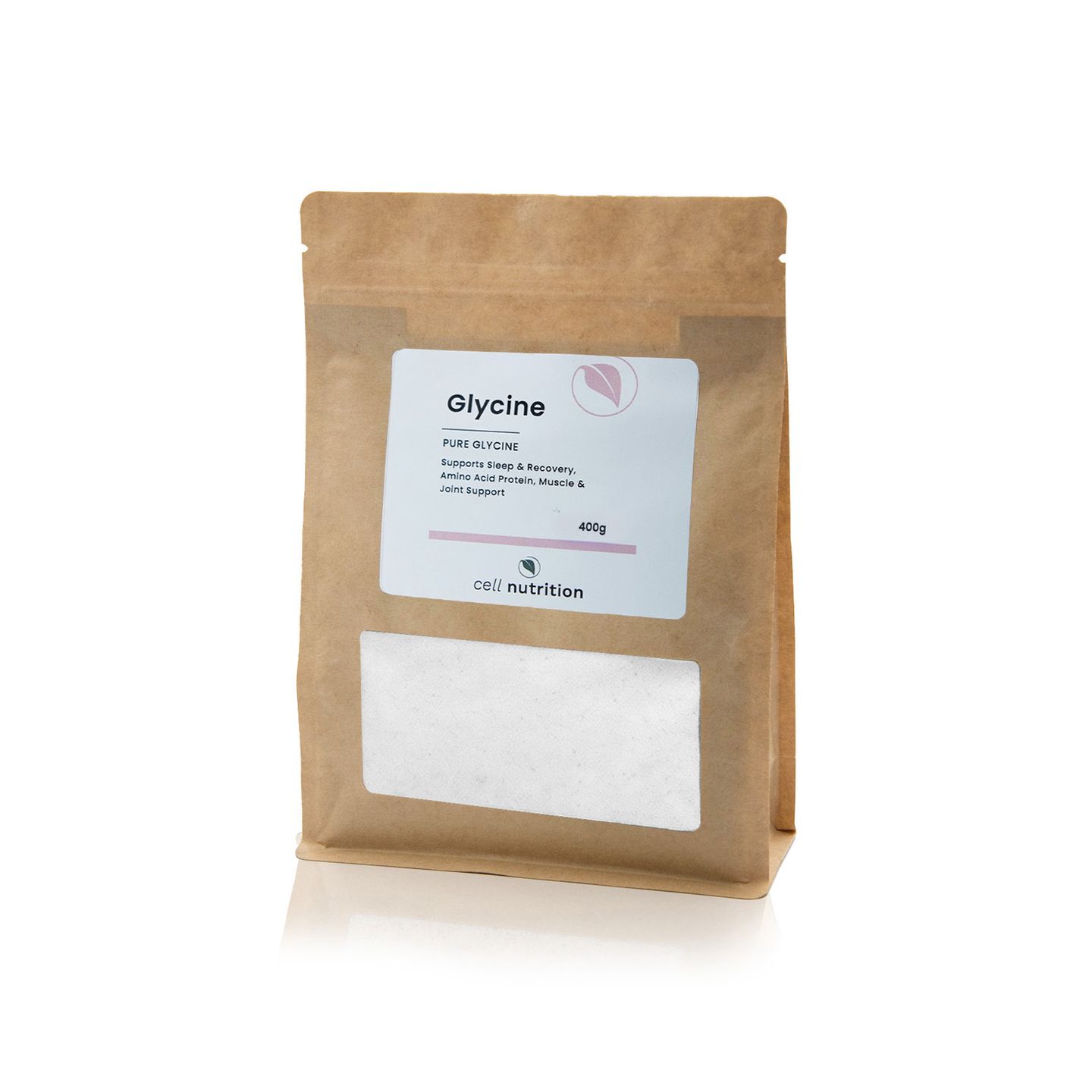
Supplementation: Pure glycine powder is highly affordable, dissolves easily in water, and has a pleasant, mildly sweet taste. Taking 3g to 5g in the evening or adding it to your morning coffee (as a sugar-free sweetener) is an easy way to hit your daily targets.