
Allulose: The Rare Sugar Rewriting the Rules of Metabolic Health
- 5 May 2026
- Marc Myburgh
A clinician-focused guide to the science, safety and clinical utility of D-allulose — and why Allulo sets the new standard for quality.
Practitioner Resource · Functional Nutrition | For Health Practitioners & Functional Doctors | Peer-reviewed references included | Something Natural · 2026
What Is D-Allulose?
D-Allulose (also known as D-psicose) is a naturally occurring monosaccharide classified as a rare sugar — found in trace amounts in foods such as wheat, raisins, dried figs, molasses, and maple syrup. Structurally, it is a C-3 epimer of D-fructose, sharing the same molecular formula (C₆H₁₂O₆) but exhibiting a fundamentally different metabolic fate in the human body.
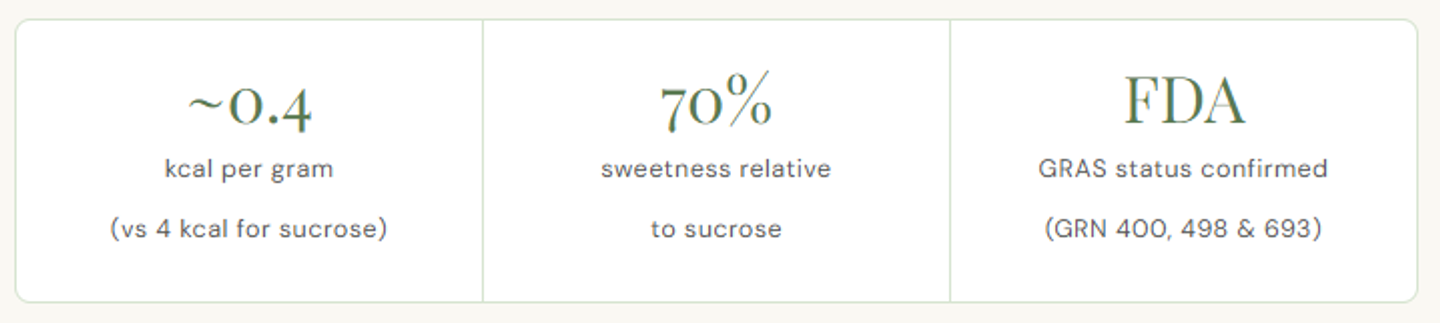
Unlike conventional sugars, allulose is absorbed in the small intestine but not metabolised for energy. Approximately 70% is excreted in the urine within 24 hours, contributing negligible caloric load — making it one of the most clinically promising sugar alternatives available today.
The Science: Key Mechanisms and Benefits
A growing body of peer-reviewed literature — spanning human clinical trials, systematic reviews, and mechanistic animal studies — supports a range of therapeutic applications for D-allulose in functional and integrative medicine settings.
1. Glycaemic Control & Insulin Sensitivity
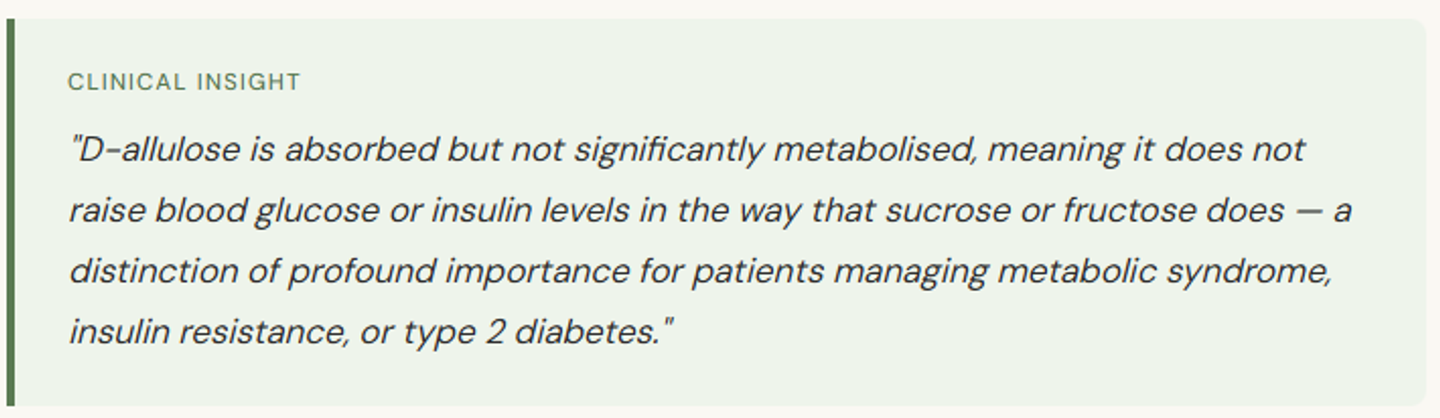
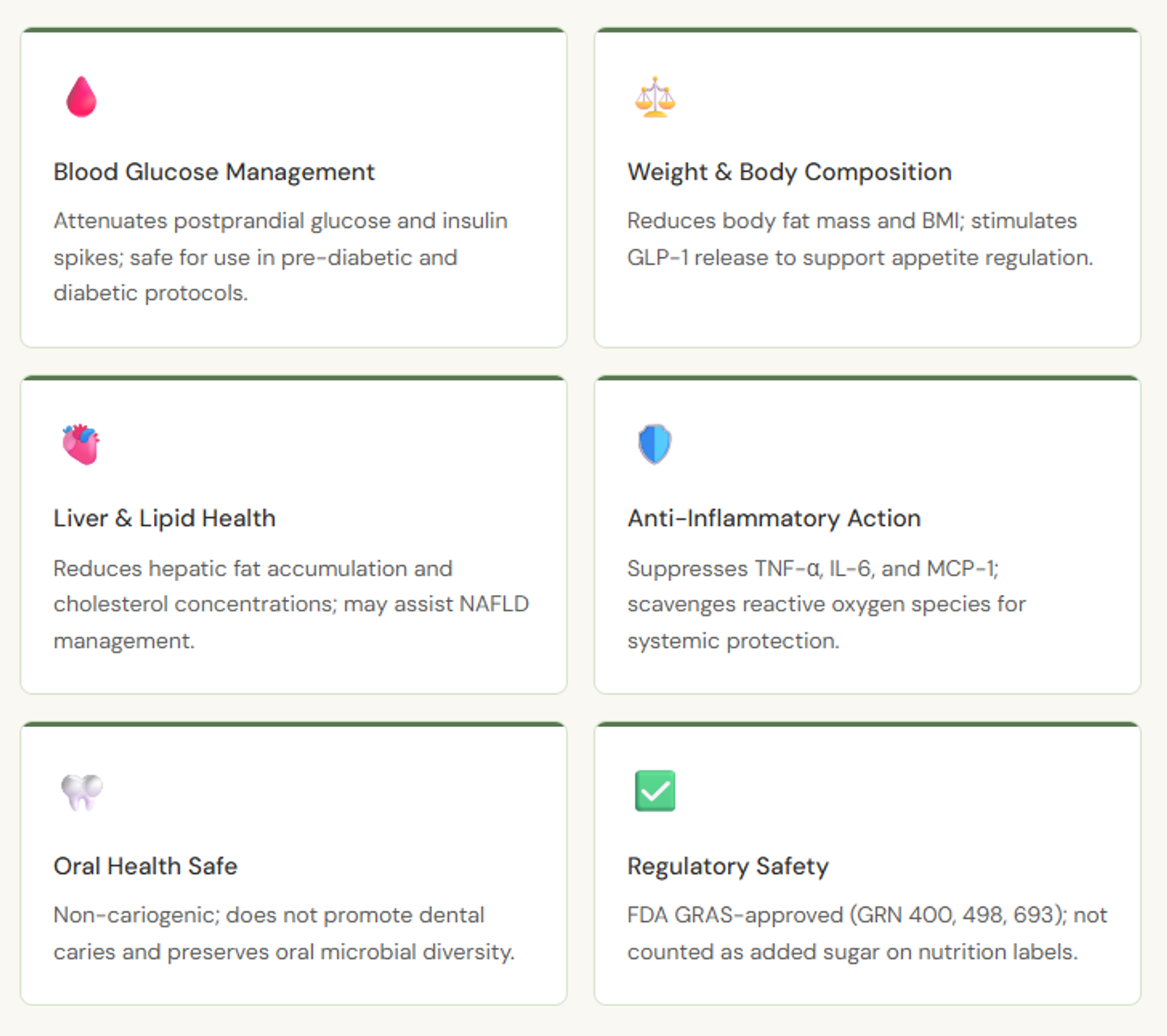
Multiple studies confirm that allulose attenuates postprandial blood glucose and insulin spikes. A 2023 randomised controlled trial published in the Journal of Functional Foods demonstrated that allulose added to sucrose significantly reduced postprandial glucose and insulin compared to sucrose alone, while a systematic review and meta-analysis in PMC (2023) found consistent attenuation of glycaemic response across multiple human trials.
Mechanistically, allulose appears to translocate hepatic glucokinase — a key enzyme in glucose metabolism — from the nucleus to the cytoplasm, promoting hepatic glucose uptake and improving glucose homeostasis. It also inhibits intestinal alpha-glucosidase activity, slowing glucose absorption.
2. GLP-1 Stimulation & Appetite Regulation
Emerging research has revealed that allulose potently stimulates the release of glucagon-like peptide-1 (GLP-1) via vagal afferent pathways — the same mechanism exploited by widely prescribed GLP-1 receptor agonists. A study published in Nature Communications demonstrated that this GLP-1-mediated effect contributes to reduced food intake, improved glycaemic control, and beneficial chronotherapeutic effects. This positions allulose as a meaningful dietary complement in metabolic health protocols, particularly for patients focused on sustainable weight management.
3. Obesity & Body Composition
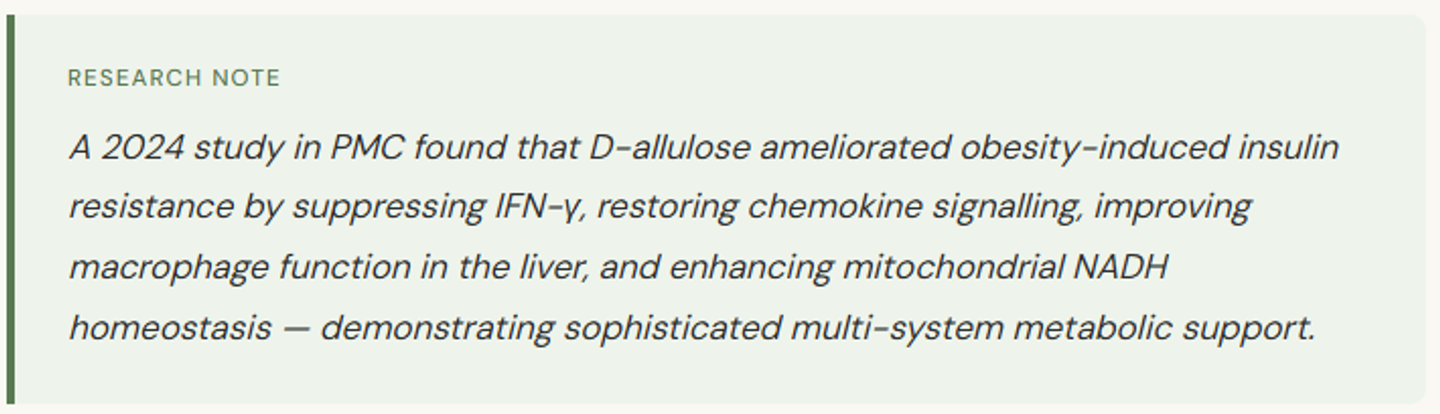
Human studies have reported reductions in body fat percentage, fat mass, and BMI in participants consuming allulose versus placebo. Animal models further show reductions in visceral fat accumulation and decreased hepatic lipogenesis. A 12-week study in a rodent model of diet-induced obesity, published in Nutrients (2024), found significant improvements in metabolic health markers and supports allulose as a promising dietary component for managing obesity and type 2 diabetes.
4. Liver Health & Lipid Metabolism
Non-alcoholic fatty liver disease (NAFLD) is an increasing concern in metabolic medicine. Research shows that allulose supplementation reduces hepatic fat accumulation and hepatic cholesterol and triglyceride concentrations, with one study demonstrating decreased fat buildup in the liver alongside reductions in body weight. For practitioners managing patients with metabolic syndrome, these findings are clinically meaningful.
5. Anti-Inflammatory & Antioxidant Effects
Research published in Frontiers in Physiology and associated PubMed-indexed studies demonstrates that D-allulose suppresses key pro-inflammatory cytokines — including TNF-α, IL-6, and MCP-1 — primarily derived from visceral adipose tissue. Additionally, allulose exhibits reactive oxygen species (ROS) scavenging activity and has been shown to increase superoxide dismutase (SOD) and catalase (CAT) activity, providing meaningful antioxidant protection at the cellular level.
6. Dental & Oral Microbiome Safety
Unlike sucrose and other fermentable sugars, allulose is non-cariogenic. Clinical and in vitro studies — including work cited in the FDA's own regulatory review — confirm that allulose does not promote dental caries. A 2025 study published in Frontiers in Cellular and Infection Microbiology found that allulose supports lower bacterial virulence activity and minimal biofilm formation compared to common dietary sugars, while preserving oral microbial diversity. This is a notable advantage in integrative dental and systemic health approaches.
At a Glance: Clinical Benefit Summary
Safety Profile & Tolerability
Allulose has a well-characterised safety profile. The FDA has granted it GRAS (Generally Recognised as Safe) status across three separate notifications. Long-term human studies at doses of 5g per meal (three times daily for 12 weeks) found no evidence of liver damage or clinically significant adverse effects. As with all sugar alcohols and rare sugars, gastrointestinal discomfort may occur at very high doses, but this is transient and not toxic. Notably, the FDA has determined that allulose should not be included in "Total Sugars" or "Added Sugars" declarations on nutrition labels — a meaningful regulatory distinction.
Featured Brand · Exclusively Distributed by Something Natural
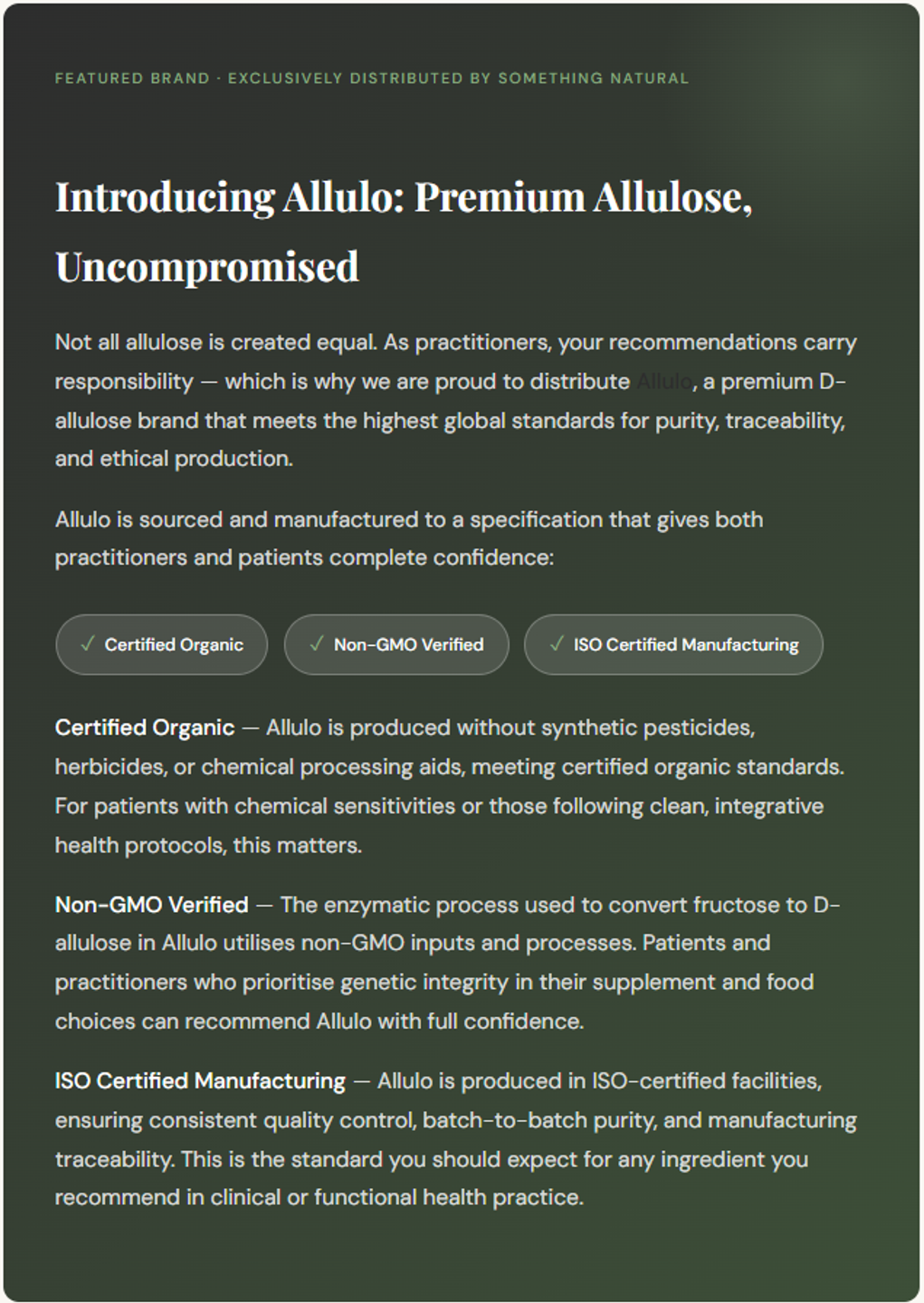
The Allulose Product Range
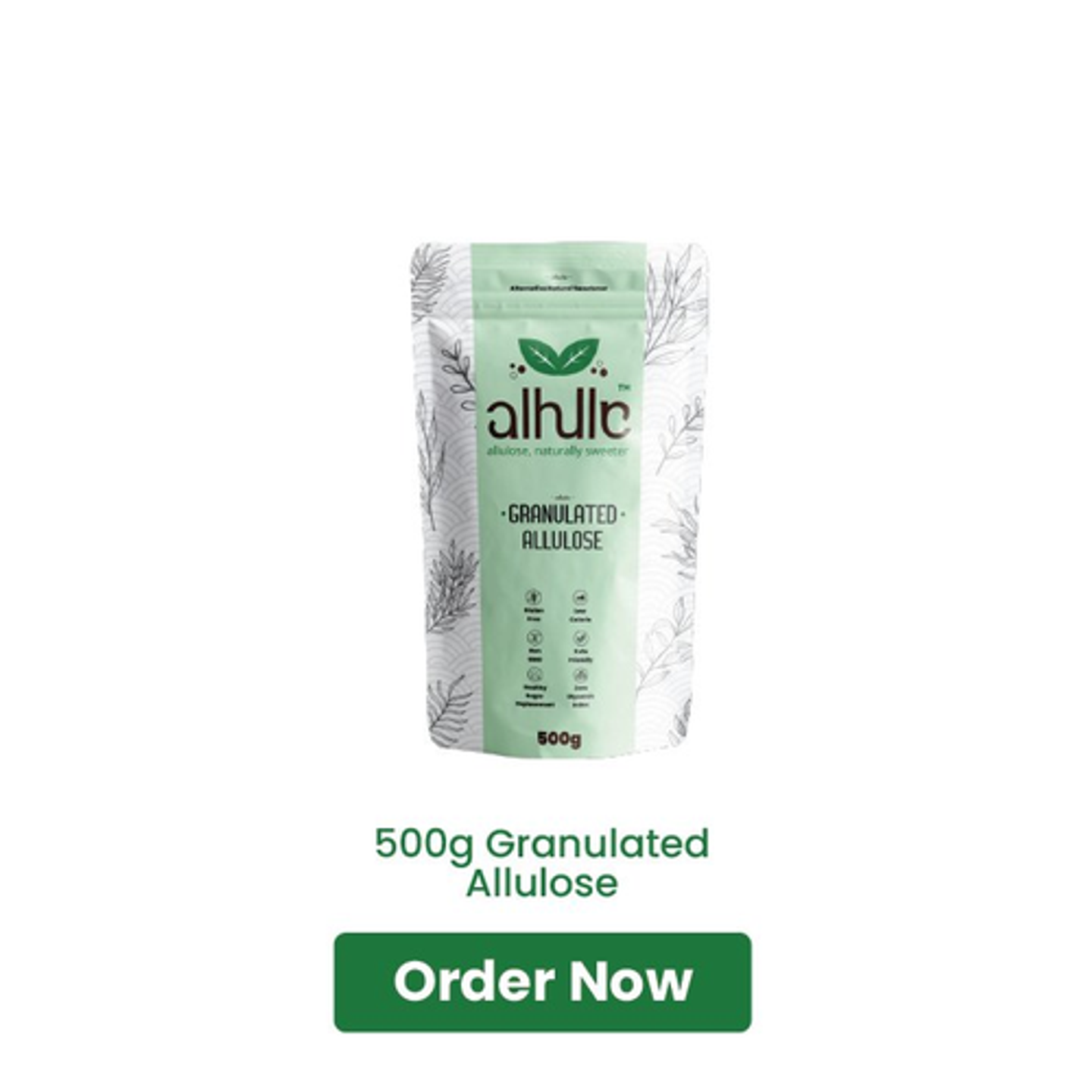
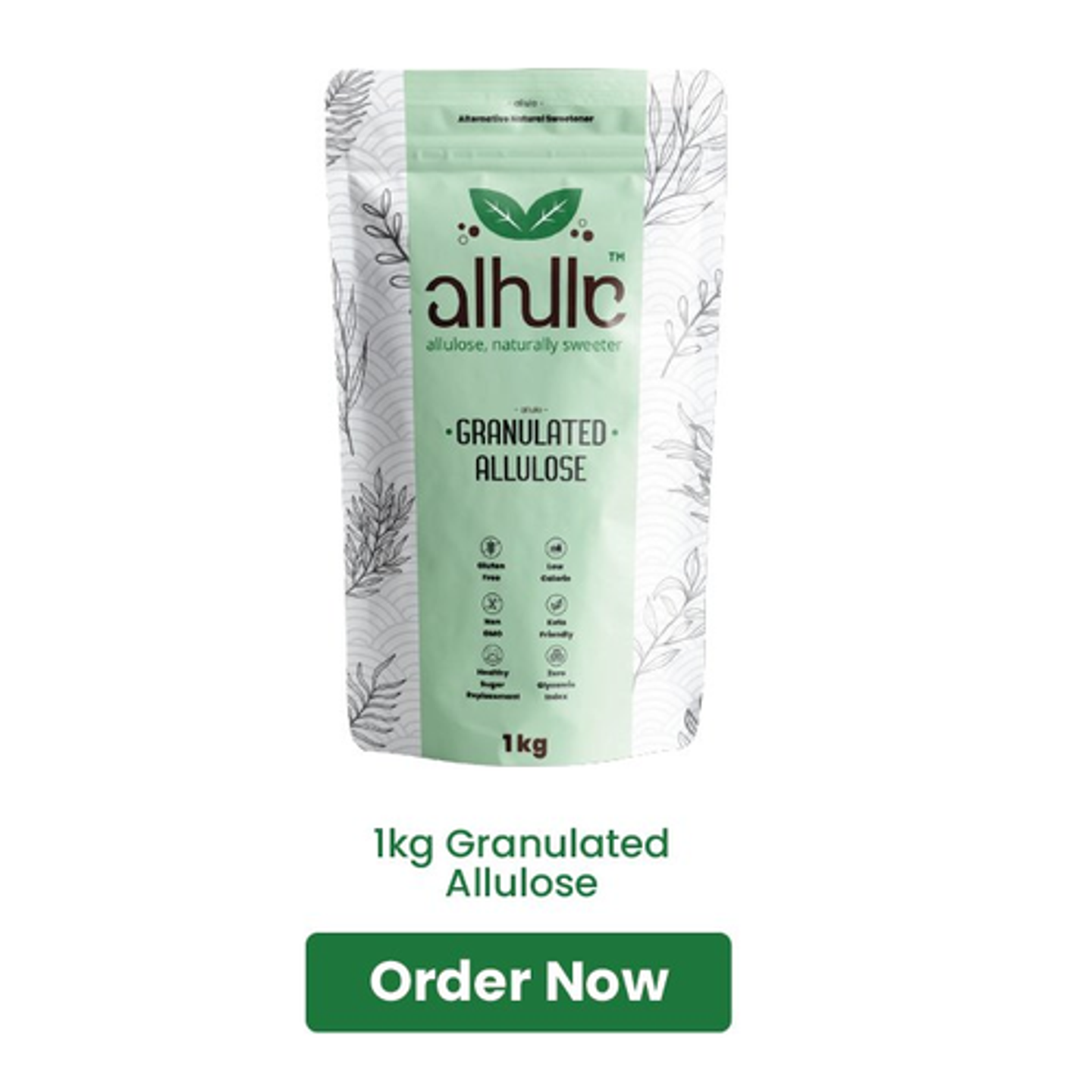
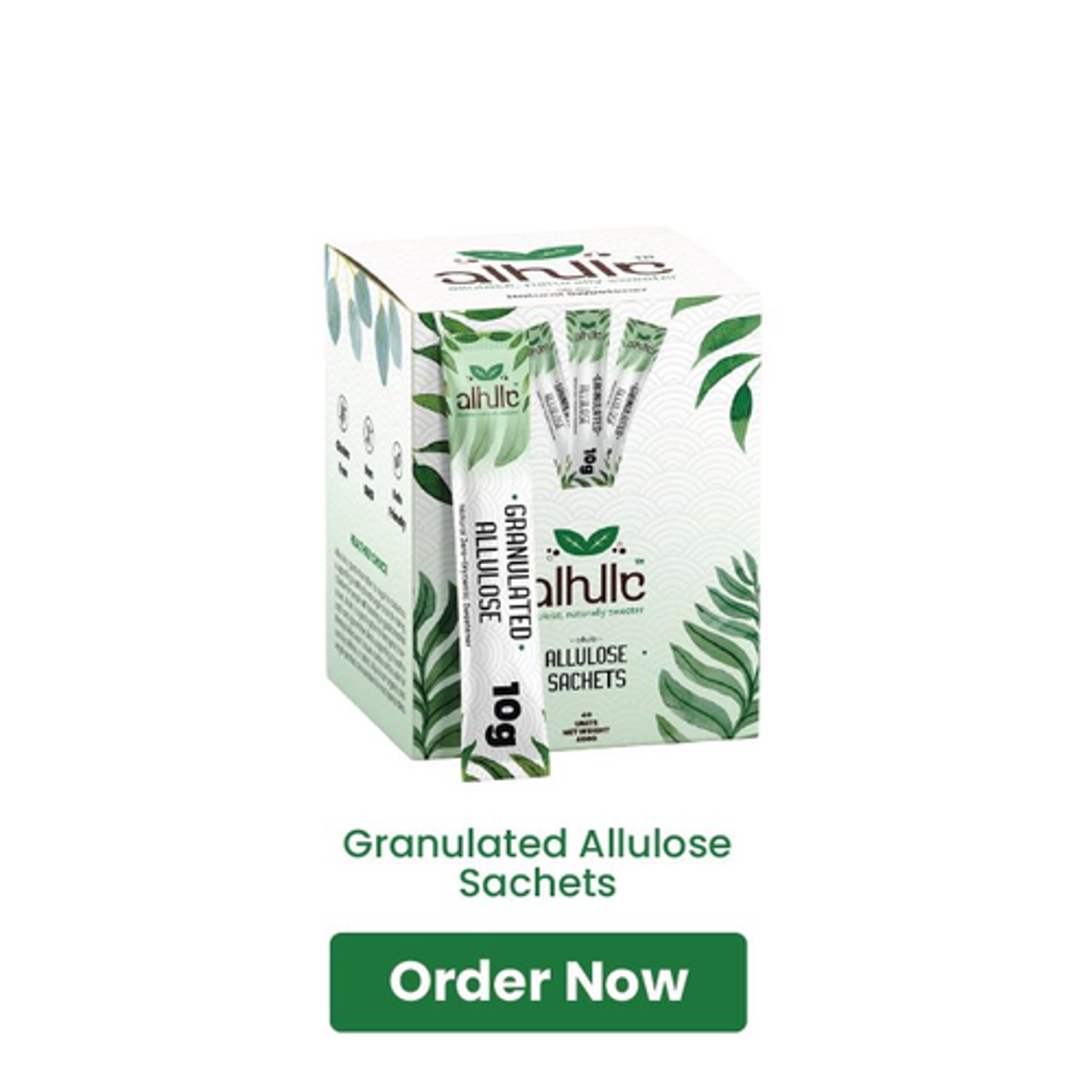
We can also assist you with bulk volumes if needed.
Practical Applications for Health Practitioners
Allulose in general, and Allulo in particular, has wide applicability across functional medicine, integrative nutrition, and health retail settings:
For Functional Doctors & Integrative Practitioners
Consider allulose as a dietary tool for patients managing type 2 diabetes, pre-diabetes, insulin resistance, metabolic syndrome, and NAFLD. Its GLP-1 stimulating properties make it an interesting adjunct in weight management protocols, and its anti-inflammatory profile supports broader cardiometabolic health strategies. Unlike artificial sweeteners, allulose is a naturally occurring compound with a growing evidence base — a meaningful distinction for evidence-informed practitioners.
For Health Shops & Retail Wellness Stores
Allulo can be positioned as a premium, clean-label baking and cooking sweetener for health-conscious consumers. Its baking properties closely mirror sucrose — it caramelises and browns similarly — making it uniquely versatile compared to stevia, erythritol, or monk fruit. It is ideal for the growing keto, low-glycaemic, diabetic-friendly, and clean eating segments. With organic and non-GMO certification, it speaks directly to the values of your most discerning customers.
For Nutritionists & Dietitians
Allulose provides a practical sugar reformulation strategy — blending with sucrose to reduce glycaemic impact without eliminating familiar taste and texture. Research supports this approach: even partial substitution of sucrose with allulose meaningfully attenuates postprandial glucose and insulin, offering a realistic, sustainable strategy for clients who struggle with complete sugar elimination.

Conclusion
D-Allulose represents a genuine advance in functional sweeteners — not as a simple sugar substitute, but as a bioactive compound with measurable effects on glycaemic control, GLP-1 secretion, body composition, hepatic health, and inflammation. Its safety is well-established, its regulatory status is robust, and the mechanistic science is rapidly maturing.
For practitioners seeking to offer patients a sweet option that genuinely supports metabolic health — rather than merely doing less harm — allulose deserves a prominent place in your nutritional toolkit. And when quality matters, Allulo's organic, non-GMO, ISO-certified pedigree ensures that both you and your patients can trust every gram.
Something Natural is proud to bring Allulo to the South African health market — contact us to learn more about stocking and practitioner programmes.
Peer-Reviewed References & Regulatory Sources
- Au-Yeung F, et al. (2023). Comparison of postprandial glycemic and insulinemic response of allulose when consumed alone or when added to sucrose. Journal of Functional Foods, 105, 105569. doi:10.1016/j.jff.2023.105569
- Iwasaki Y, et al. (2018). GLP-1 release and vagal afferent activation mediate the beneficial metabolic and chronotherapeutic effects of D-allulose. Nature Communications, 9, 113. doi:10.1038/s41467-017-02488-y
- PMC Review — Allulose for the attenuation of postprandial blood glucose levels in healthy humans: A systematic review and meta-analysis (2023). PMC10079081
- PMC — The Metabolic and Endocrine Effects of a 12-Week Allulose-Rich Diet. Nutrients (2024). PMC11207032
- PMC — D-Allulose Ameliorates Dysregulated Macrophage Function and Mitochondrial NADH Homeostasis, Mitigating Obesity-Induced Insulin Resistance (2023). PMC10574141
- PMC — Recent Advances Regarding the Physiological Functions and Biosynthesis of D-Allulose (2022). PMC9048046
- PMC — Research Advances of d-allulose: Physiological Functions, Enzymatic Biotransformation Technologies, and Production Processes (2021). PMC8467252
- Frontiers in Cellular and Infection Microbiology — Unveiling the impact of allulose on oral microbiota and biofilm formation (2025). PMC12580206
- Cambridge Core — Allulose in human diet: the knowns and the unknowns. British Journal of Nutrition (2021). Cambridge Core
- U.S. FDA — The Declaration of Allulose and Calories from Allulose on Nutrition and Supplement Facts Labels (2019). FDA Guidance Document
- U.S. FDA — GRAS Notifications GRN 400, GRN 498, GRN 693. FDA GRAS Notice Inventory
Disclaimer: This article is intended for qualified health professionals and is provided for educational and informational purposes only. It does not constitute medical advice and should not be used as a substitute for professional clinical judgement. The statements contained herein have not been evaluated by the South African Health Products Regulatory Authority (SAHPRA). Allulo is distributed as a food ingredient and is not intended to diagnose, treat, cure, or prevent any disease.